
Leadership
The Secretariat
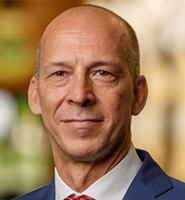
Executive Director
AIM for Scale Secretariat
Paul Winters is the Executive Director of AIM for Scale and the Keough-Hesburgh Professor of Sustainable Development at the University of Notre Dame’s Keough School of Global Affairs. His research and teaching focus on rural poverty, food insecurity and climate change and the evaluation of policies and programs designed to address these issues. Prior to joining Notre Dame, he worked at the International Fund for Agricultural Development, American University in Washington, DC, the Inter-American Development Bank, the University of New England in Australia, and the International Potato Center in Lima, Peru. He holds a PhD in Agricultural and Resource Economics from the University of California at Berkeley.
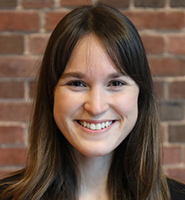
Director AIM for Scale Secretariat
Imara is the Director of the AIM for Scale Secretariat and a Project Director in the Keough School of Global Affairs at the University of Notre Dame. Previously, she served as an Associate Director at the Development Innovation Lab at the University of Chicago, where she managed the Secretariat for AIM for Scale and for the Innovation Commission for Climate Change, Food Security, and Agriculture. Imara’s work focuses on bridging research and practice. She leads partnerships that have mobilized over $1 billion for innovations in agriculture, climate resilience, and digital transformation. She works closely with governments, development partners, and research institutions to expand access to cost-effective solutions, and manages strategic partnerships and country engagements across Africa, Asia, and Latin America to ensure projects respond to local priorities and deliver measurable results. Imara has worked with the World Bank, the Inter-American Development Bank, Harvard University, and Chile’s Center for Public Policy. She holds a Master of Public Policy from Harvard University and a Bachelor of Science in Foreign Service in Economics from Georgetown University.
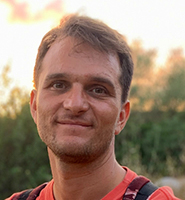
Program Director
Tobias Baedeker is the Program Director of the AIM for Scale Secretariat and an agriculture development economist specializing in innovative solutions for climate resilience and food systems transformation. Over 14 years at the World Bank, he led teams designing and implementing operations across 20+ countries in Africa, Latin America, MENA, and South Asia, driving over $1.5 billion in investments for food security, emission reductions, and value chain integration. Tobias has co-authored articles in Nature Climate Change and Nature Food and published various technical reports. Previously, he worked as Project Coordinator for Innovations for Poverty Action (IPA) and Young Leader for Sustainability at GIZ. He holds a Master of Public Administration (MPA) from the London School of Economics (LSE) and a Bachelor of Arts in Economic Sciences from the University of St. Gallen.
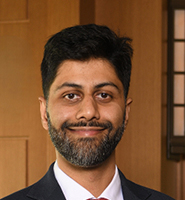
Scientific Director
Mohammad Farrae is the Scientific Director of the AIM for Scale Secretariat and a food systems specialist with expertise in sustainable development, climate-smart agriculture, and global food systems initiatives. Most recently, he served as Senior Specialist for Food Systems Partnerships at COP28, where he advanced global commitments to climate-smart agriculture and supported the implementation of key initiatives. Previously, Mohammad consulted for FAO and the University of Notre Dame on rural transformation, and contributed to development projects in Pakistan, including U.S. Embassy and Gates Foundation-supported programs. He holds a Master of Global Affairs in Sustainable Development from the University of Notre Dame and a Bachelor’s in Mechanical Engineering.
Communications Director
Adrienne Uselman serves as the Communication Director of the AIM for Scale Secretariat. Previously, she oversaw communications for DevTech Systems, Inc., a federal contractor for USAID and the U.S. State Department in the economic growth and data analytics spaces. She has worked at the World Food Programme, both at headquarters in Rome and across Bangladesh. Prior to her career in international development, Adrienne was a marketing professional in the music industry. She holds a Master of Science in Sociology from the University of Edinburgh and a Bachelor of Commerce in marketing from McGill University.
Policy & Partnerships Manager
Lucy is the Policy and Partnerships Manager of the AIM for Scale Secretariat. In this role she supports country-level engagement with government counterparts, development bank teams, and other stakeholders to advance the secretariat’s objectives. Previously, she served as a Senior Associate at RESOLVE, where she supported research and managed multi-stakeholder partnerships and external engagements for the implementation of the Resource Exchange Initiative. Lucy has worked for the Ministry of Finance and the Ministry of Planning and Economic Development in Sierra Leone, the UN Volunteers, and Columbia University Libraries. She holds an MPA in Development Practice from Columbia University, an MA in Policy Economics from Williams College, and a BSc in Economics from Fourah Bay College.
Program Delivery Manager
Emma Hokoda is the Program Delivery Manager with the AIM for Scale Secretariat. She previously worked at the World Resources Institute, supporting monitoring, evaluation, and learning for the Forest Data Partnership, a global initiative to reduce deforestation. Emma has consulted for organizations including Chemonics’ Famine Early Warning Systems Network, and the FLARE research network on forests and livelihoods. A Fulbright grantee in Guatemala, Emma conducted field research on disaster risk management and has contributed to food security and sustainable development research in Nigeria, Colombia, and Tanzania. Prior to her international work, she worked in US local government and refugee resettlement. Emma holds a Master of Global Affairs in Sustainable Development from the University of Notre Dame and a Bachelor of Science in Environmental Studies from Santa Clara University.
Postdoctoral Researcher
Program Manager
Economic Research Associate
Advisory Panel
University Professor in Kenneth C. Griffin Department of Economics and the Harris School of Public Policy; Director of the Development Innovation Lab at the University of Chicago
Senior Research Fellow in the Poverty, Gender, and Inclusion Unit at IFPRI
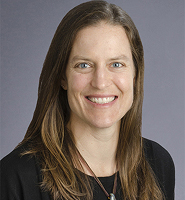
Professor in Global Environmental Policy and Earth System Science in the Doerr School of Sustainability at Stanford University
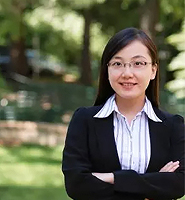
Associate Professor at the University of Maryland
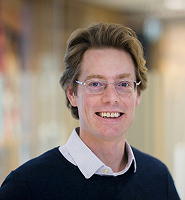
Managing Director for the Social Sciences Group and Professor of Economics at Wageningen University & Research
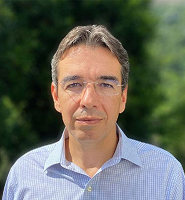
Executive Director of the Climate Policy Initiative (CPI/PUC-Rio) and a Professor in the Department of Economics at PUC-Rio.
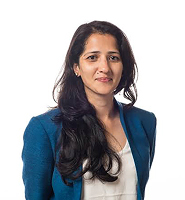
Associate Professor of Management at the Massachusetts Institute of Technology (MIT) Sloan School of Management
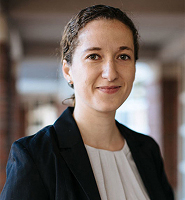
Assistant Professor of Economics at Lyndon B. Johnson School of Public Affairs at the University of Texas at Austin
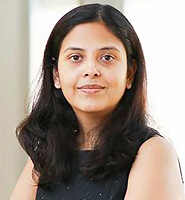
Assistant Professor of Economics and Public Policy at the Indian School of Business (ISB)
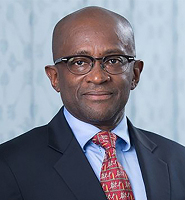
Professor of Economics at New York University (NYU), jointly appointed in the Department of Economics at NYU-NY and in the Division of Social Science at NYU Abu Dhabi.
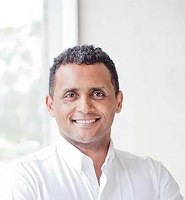
Research Professor, School of Economics, University of Cape Town
Yonas Alem is a Research Professor in the School of Economics at the University of Cape Town and an invited researcher at MIT’s J-PAL King Climate Action Initiative. He earned his PhD from the University of Gothenburg, where he also held various academic positions within the Department of Economics and the Environment for Development (EfD) initiative, complemented by visiting fellowships at UC Berkeley and Brown University. As an applied microeconomist focused on Africa and South Asia, his research employs rigorous causal inference and randomized controlled trials to explore the intersection of development, behavioural, and environmental economics, with specific expertise in preference formation, decision-making, poverty dynamics, technology adoption, and shocks. His ongoing work further investigates small firms’ investment decisions under behavioural and market frictions. Beyond his scholarship, Yonas has dedicated two decades to capacity building in the Global South through institutional development, graduate training, and the mentorship of emerging researchers.
Weather Forecasts for Farmers Technical Panel
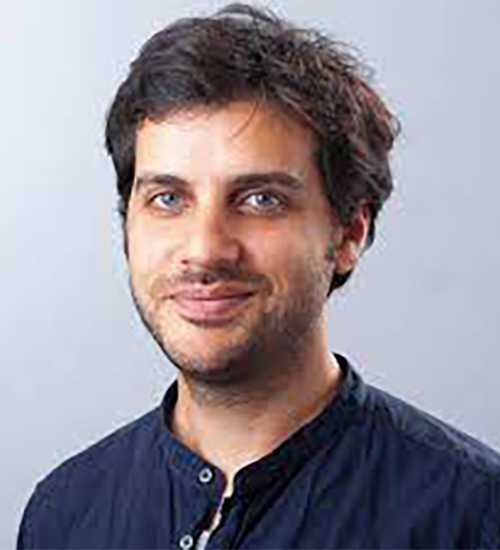
Assistant Professor at Harris Public Policy at the University of Chicago
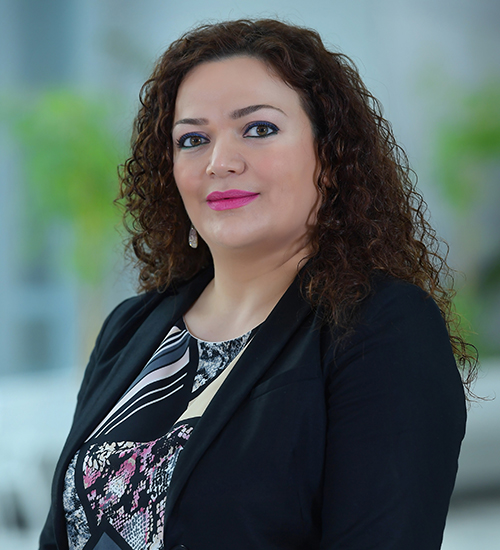
Assistant Professor at Khalifa University
CBF Professor at Friedman School of Nutrition at Tufts University
Erin Coughlan de Perez is the CBF Professor at Friedman School of Nutrition at Tufts University. She directs the Center for Climate and Health glObal Research on Disasters (CORD), global consortium on climate, health, and Anticipatory Action. Erin’s research bridges the gap between climate science, policy, and practice, focusing on the ability to anticipate and manage disasters, including droughts, floods, and heatwaves, before they occur. She researches adoption and effectiveness of adaptation measures in the face of climate change.
Previously Erin was at the Red Cross Red Crescent Climate Centre, where she established a global climate science team and pioneered Forecast-based Financing pilots. She maintains a senior advisor role there, ensuring strong ties to global humanitarian efforts. Erin is also a lead author for the IPCC 6th Assessment Report, for the chapter: Decision-Making Options for Managing Risk. Additionally, she serves as an academic editor for the journal PLOS Climate and serves on the Council of the American Meteorological Society. She holds a Ph.D. from Vrije Universiteit Amsterdam and a M.A. from Columbia University.
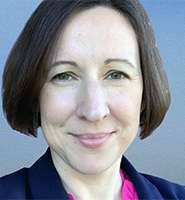
Agriculture Economist, Food and Agriculture Global Practice at the World Bank
Kateryna Schroeder is an Agriculture Economist in the Food and Agriculture Global Practice at the World Bank. Her work focuses on agricultural and trade policy, as well as food security. She also explores the role of digital technologies in addressing market failures within this sector and the necessary public policies to facilitate this process. Prior to joining the World Bank, Kateryna worked as a research scientist at the Food and Agricultural Policy Institute and frequently consulted with the UN FAO on issues related to food security, nutrition, and trade. Kateryna holds a PhD in Agricultural and Applied Economics from the University of Missouri.
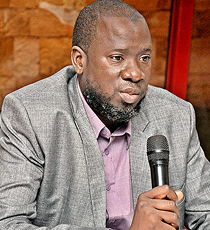
Acting Director General of African Center of Meteorological Application for Development (ACMAD)
Ousmane Ndiaye is the acting director general of African Center of meteorological Application for Development (ACMAD), prior to that he was leading Senegalese meteorological service at the Agency of Civil Aviation and Meteorology (ANACIM). He has interest in climate prediction and its application in a broad sense: user engagement and ownership, tailoring climate information, private partnership, communication.
Ousmane has worked many years with partners (NGOs, research, extension services, end-users) on how to deliver climate information services from end to end. He is a contributing author of the 6th IPCC report (Working Group I) and a board member of the Global Heat Health Information Network (GHHIN). Ousmane holds a PhD from Columbia University in New York.
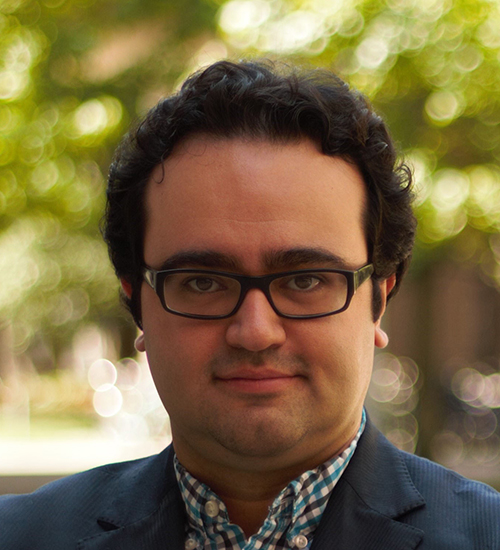
Associate Professor at the Department of Geophysical Sciences, the Committee on Computational and Applied Mathematics, and the Data Science Institute, at the University of Chicago
Pedram Hassanzadeh is a tenured Associate Professor at the Department of Geophysical Sciences, the Committee on Computational and Applied Mathematics, and the Data Science Institute, at the University of Chicago. His research focuses on integrating theory, simulations, observations, and machine learning techniques to understand the dynamics and variability of extreme weather events across time scales, from days to decades. He leads the Climate Extremes Theory and Data (CeTD) group and the AI for Climate (AICE) Initiative, which is dedicated to accelerating climate research through interdisciplinary AI applications. He is the co-director of the University of Chicago’s Human-Centered Weather Forecasting Initiative. Prior to joining the University of Chicago, Pedram was a tenured Associate Professor at Rice University and a Ziff Environmental Fellow at Harvard University. His work has been recognized with a NSF CAREER Award and an Office of Naval Research Young Investigator Award, highlighting his contributions to advancing climate science through computational methods. He received his Ph.D. in geophysical turbulence and M.A. in applied mathematics from UC Berkeley.
Climate Change Analyst Data Scientist at World Meteorological Organization (WMO)
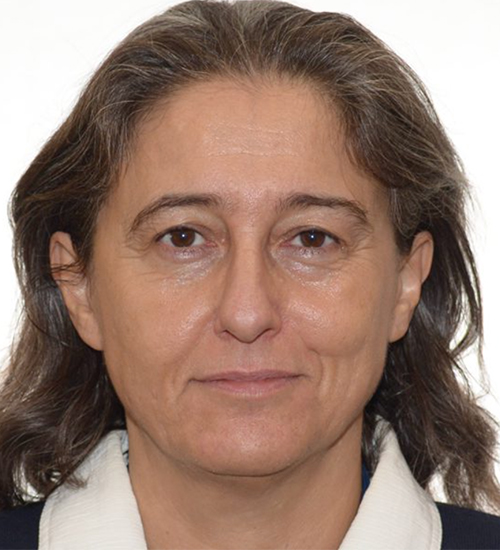
Senior Natural Resources and Agricultural Specialist at the Asian Development Bank
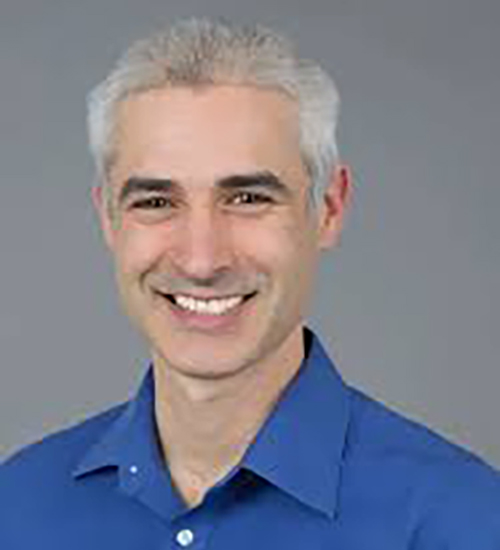
Principal Officer – Predictive Analytics at Gates Foundation
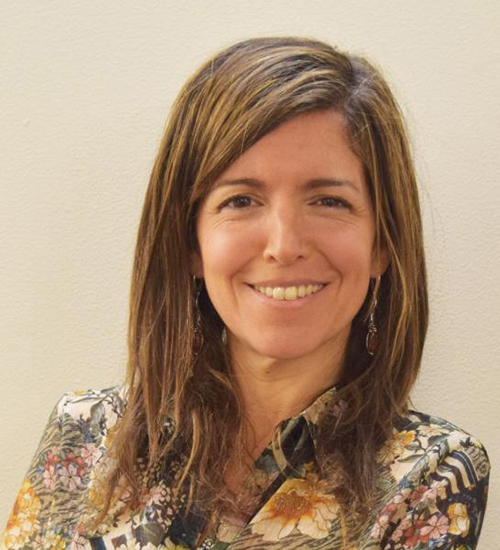
Senior Specialist in Rural Development at the Inter-American Development Bank (IDB)
Romina Ordonez is a Senior Specialist in Rural Development at the Inter-American Development Bank (IDB) based in Chile, where she leads the development and implementation of agriculture and rural development projects in Chile and other countries in Latin America. Her expertise spans the design, supervision, and evaluation of development projects, with a focus on sustainable rural development. Previously, Romina worked as an economist at IDB Invest, concentrating on the agribusiness and tourism sectors. Her work included measuring the development impact of private sector operations, designing and implementing advisory services and impact evaluations. She holds a Ph.D. in Agricultural Economics, a Master in Public Policy, a bachelor’s degree in Economics, and a technical degree in Journalism.
Digital Advisory Services for Agriculture Technical Panel
Assistant Professor of Economics at Lyndon B. Johnson School of Public Affairs at the University of Texas at Austin
Raissa Fabregas is an Assistant Professor of Economics at Lyndon B. Johnson School of Public Affairs at the University of Texas at Austin. She is a development economist with broad interests in understanding barriers to human capital accumulation and learning in LMICs, as well as effective scaling of policy solutions. She is particularly interested in questions of external validity, barriers to scaling up programs, and the role of evidence in policymaking. Raissa’s research examines the role of information, incentives, and social factors in shaping individual behavior and economic opportunities. Her work includes studies on the effectiveness of digital agricultural interventions for smallholder farmers, the use of television to expand education in rural communities, and the economic impacts of increased access to mobile money. As part of this work, she has engaged in policy discussions on program implementation with private, public, and NGO partners in Puerto Rico, Mexico, India, Kenya, and other developing countries. Dr. Fabregas holds a PhD in Public Policy from Harvard University.
Investment Officer at the Food and Agriculture Organization
Amol Jadhav is an Investment Officer at the Food and Agriculture Organization (FAO) Investment Center where he focuses on digital agriculture. He brings over 15 years of experience designing and scaling impactful digital programs, focusing particularly on transforming smallholder farming, accelerating financial inclusion, and strengthening climate resilience.
Prior to joining FAO, Amol held leadership roles with the GSMA AgriTech team, founded The AgTech Network and served as Head of AgTech at the Tony Blair Institute. His work at the intersection of technology and agriculture has involved partnerships with agribusinesses, farmer cooperatives, financial institutions, smallholder farmers, and governments at both local and national levels. He has also collaborated extensively with global donors and investors, including the Gates Foundation, USAID, the UK Foreign, Commonwealth and Development Office (FCDO), the World Bank, the International Fund for Agricultural Development (IFAD), and the European Bank for Reconstruction and Development (EBRD). Amol holds a Bachelor of Business Administration from the University of Houston and a Master of Business Administration from the Rotterdam School of Management, Erasmus University.
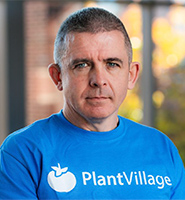
Dorothy Foehr Huck and J. Lloyd Huck Chair in Global Food Security in the Department of Entomology at Penn State University
David P. Hughes, is the Dorothy Foehr Huck and J. Lloyd Huck Chair in Global Food Security in the Department of Entomology at Penn State University. His research focuses on food security and the manipulation of host behavior by parasites. He developed a model system using the ‘death grip’ of fungus-infected ants to study this phenomenon, exploring the genomics and transcriptomics of behavioral manipulation.
David has conducted field work in Brazil, USA, and China, and collaborates with Dr. Harry Evans of CABI, UK, and local scientists internationally. He also studies agricultural diseases, particularly those related to ants on farms in Ghana. He created “PlantVillage,” an AI-powered mobile platform that serves as a “digital extension service” for farmers. As a mid-career professor, Hughes uses smartphones, machine learning and cloud computing to help millions of farmers diagnose plant diseases and adapt to climate threatsDr. Hughes holds a DPhil in Entomology from the University of Oxford (2003) and a BSc (Hons) in Zoology from the University of Glasgow (1999).
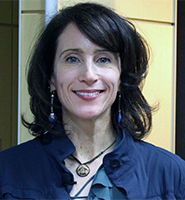
Daniel G. Sisler Professor of Development Economics at Cornell University
Jenny Aker, the Daniel G. Sisler Professor of Development Economics at Cornell University, is the 2017 recipient of the Fletcher School Research Prize and the 2015 recipient of the Fletcher School Paddock Teaching Award. She co-chairs the Digital Identification and Finance Initiative in Africa Initiative at J-PAL Africa, based at the University of Cape Town. Her research centers on economic development in Africa, particularly the impact of information and information technology on development outcomes. Her work also contributes to areas such as agricultural markets, adult education, financial inclusion, agricultural technology adoption, and social protection mechanisms. Jenny has conducted field work in numerous countries, including Benin, Burkina Faso, Burundi, Chad, DRC, The Gambia, Ghana, Guinea, Kenya, Liberia, Mali, Mozambique, Niger, Nigeria, Rwanda, Senegal, Sierra Leone, South Sudan, Tanzania, Haiti, and Guatemala. Dr. Aker holds a Ph.D. in Agricultural Economics from the University of California-Berkeley.
Agriculture Economist, Food and Agriculture Global Practice at the World Bank
Kateryna Schroeder is an Agriculture Economist in the Food and Agriculture Global Practice at the World Bank. Her work focuses on agricultural and trade policy, as well as food security. She also explores the role of digital technologies in addressing market failures within this sector and the necessary public policies to facilitate this process. Prior to joining the World Bank, Kateryna worked as a research scientist at the Food and Agricultural Policy Institute and frequently consulted with the UN FAO on issues related to food security, nutrition, and trade. Kateryna holds a PhD in Agricultural and Applied Economics from the University of Missouri.
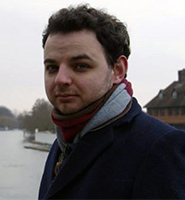
Senior Innovation Advisor within the Food and Agriculture Research, Foreign, Commonwealth and Development Office (FCDO)
Mike Reddaway is the Senior Innovation Advisor within the Food and Agriculture Research team in the Foreign, Commonwealth and Development Office (FCDO)’s Research and Evidence Directorate. In this role, he manages a diverse portfolio of agriculture innovations, with a particular focus on digital advisory services and their potential to transform food systems. His work involves identifying, supporting, and scaling promising new technologies and approaches to enhance agricultural productivity and sustainability. Prior to joining the FCDO, Michael held positions at the UK’s central bank and economics and finance ministry, where he gained experience in policy development and economic analysis. He also has experience working in the private sector. Mike holds a Masters in International Relations from the University of Exeter in the UK.
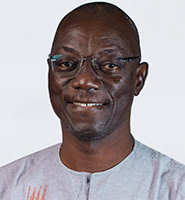
Principal Scientist with the Alliance of Bioversity International & CIAT, Director of AICCRA
Robert Zougmoré works as Principal Scientist with the Alliance of Bioversity International & CIAT where he is the Director of the AICCRA Program (Accelerating-Impacts-of-CGIAR-Climate-Research-for-Africa) as well as the Lead of the Research Department on Climate Action for West and Central Africa. From 2010 to 2021, he was the Africa Program leader of the CGIAR Research Program on Climate Change-Agriculture-and-Food-Security (CCAFS), at ICRISAT Bamako, Mali. This program focused on generating and disseminating knowledge, tools, and innovations to help farmers, pastoralists, and other actors in West Africa. Prior to his current role, he held a senior position within the Environment Program of the Sahara & Sahel Observatory in Tunisia. He has also been a senior researcher and Chief of the Natural Resources Management and farming systems department at the Institute for Environment and Agricultural Research in Burkina Faso. An agronomist and soil scientist, Robert earned his PhD in Production Ecology & Resources Conservation from Wageningen University, The Netherlands.
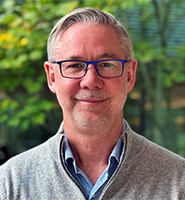
Senior Program Officer for Digital Agriculture Solutions at the Gates Foundation
Stewart Collis is the Senior Program Officer for Digital Agriculture Solutions at the Gates Foundation. With over 20 years of experience in agricultural information technology, he specializes in digital farmer services, smart farming, and digital agricultural ecosystems in low and middle-income countries in Africa and South Asia. Previously, Stewart was the co-founder and CTO at aWhere, and he contributed to climate-driven spatial crop simulation modeling and ag-data management tools at Texas A&M University and the International Center for Research in Agroforestry. Stewart holds a Masters of Engineering Science in Geomatic Engineering from the University of New South Wales, Sydney, Australia.
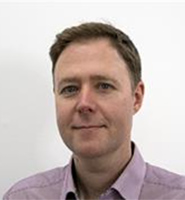
Associate Professor of Digital Government, University College London
David Eaves is Associate Professor of Digital Government and Co-Deputy Director of the Institute for Innovation and Public Purpose at University College London. David’s courses focus on the governance of digital public infrastructure and the minimum viable knowledge public administrators need on technology to be effective in a digital era. He is a co-founder of Teaching Public Service in a Digital Age, which seeks to increase the number of public servants receiving digital era public administration skills.
A believer in public entrepreneurship David has helped train numerous cohorts of Code for America fellows, White House Presidential Innovation Fellows and Code for Canada Fellows. He was also co-founder and CEO of ReCollect, a software company used which grew to be adopted by hundreds of municipalities to help encourage recycling and better manage their waste streams before being acquired in 2021.
David completed his Masters of Philosophy in International Relations at Oxford Unviersity, and an undergraduate degree (honors) from Queen’s University in Canada. Prior to joining the IIPP David was a Lecturer of Public Policy at the Harvard Kennedy School from 2016-2021.
Senior Natural Resources and Agricultural Specialist at the Asian Development Bank
Monica Petri is an agronomist with over 25 years of experience, mainly at the Food and Agriculture Organization (FAO) of the United Nations, as well as the other UN agencies and the CGIAR. She is an expert on land management and rehabilitation and adaptation to climate change at the territorial level. Her work experience spans Latin and Central America, Africa, and Asia. She has long experience in digital agriculture, especially in digital public infrastructures. She recently joined the Asian Development Bank (ADB) in Manila, where she is responsible for the development of Agri Stack in India, for the partnership with AIM for Scale. Monica holds a PhD in Agriculture at the Sant’Anna School of Advanced Studies in Pisa, Italy.
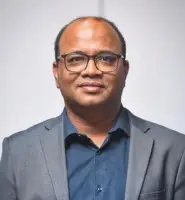
Senior Scientist Alliance of Biodiversity International and CIAT
Ani Ghosh is a senior scientist at the Alliance of Biodiversity International and CIAT in Nairobi, Kenya. He leads a diverse team of young and talented specialists in climate services, modeling, remote sensing, economics, and digital agriculture, developing innovative adaptation solutions and driving investments to transform agricultural practices. Previously Ani was at the University of California, Davis where he developed big data and machine learning analytics tools for agriculture monitoring and crop yield prediction, supporting agricultural index insurance. He coordinated the Geospatial and Farming Systems Research Consortium and organized workshops on spatial data science for agriculture using free and open-source tools. His research covers topics from cropland expansion to climate change impacts on agricultural systems and has been published in Nature Food, Environmental Research Letters, and Remote Sensing of Environment. Ani earned his Ph.D. in Natural Resources Management from TERI University in 2014 and completed a postdoctoral fellowship at Colorado State University, focusing on post-fire vegetation recovery using remote sensing”.
Senior Specialist in Rural Development at the Inter-American Development Bank (IDB)
Romina Ordonez is a Senior Specialist in Rural Development at the Inter-American Development Bank (IDB) based in Chile, where she leads the development and implementation of agriculture and rural development projects in Chile and other countries in Latin America. Her expertise spans the design, supervision, and evaluation of development projects, with a focus on sustainable rural development. Previously, Romina worked as an economist at IDB Invest, concentrating on the agribusiness and tourism sectors. Her work included measuring the development impact of private sector operations, designing and implementing advisory services and impact evaluations. She holds a Ph.D. in Agricultural Economics, a Master in Public Policy, a bachelor’s degree in Economics, and a technical degree in Journalism.
Integrated Solutions for Livestock Productivity Technical Panel
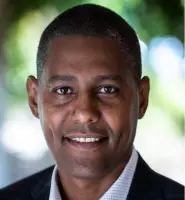
Associate Dean at the College of Agricultural and Environmental Sciences at the University of California, Davis
Ermias Kebreab is Associate Dean at the College of Agricultural and Environmental Sciences at the University of California, Davis. He holds the Sesnon Endowed Professorship in Sustainable Animal Agriculture. A global leader in climate-smart livestock systems, he has worked in more than 25 countries to advance sustainable agriculture through research, policy, and capacity building. He has contributed to the most recent Intergovernmental Panel on Climate Change (IPCC) guidelines on enteric methane emissions, chaired two expert committees for the UN Food and Agriculture Organization (FAO), and currently serves on the U.S. National Academies’ Board on Agriculture and Natural Resources. His pioneering research on livestock methane mitigation has shaped global policy and practice, earning recognition as a 2025 World Food Prize Top Agri-Food Pioneer and one of Business Insider’s Top 30 Global Climate Leaders (2023). He holds a Ph.D. in Ecological Modeling and an M.S. in Integrative Biology from the University of Reading, UK and B.S. in Biology from the University of Asmara, Eritrea.
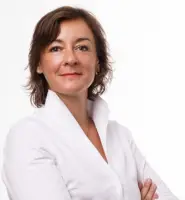
Lead Global Technical Specialist (Livestock) at the International Fund for Agricultural Development (IFAD)
Anne Mottet is the Lead Global Technical Specialist (Livestock) at the International Fund for Agricultural Development (IFAD), both a specialized UN agency and an International Financing Institution. With an ongoing portfolio of nearly USD 1 billion in Sub-Saharan Africa, Central Asia and Latin America, she is responsible for ensuring the technical quality of investments, from design to implementation and completion, as well as resource mobilization, partnerships and knowledge management. She leads projects in Bolivia, Georgia, Kenya, Kyrgyzstan, Lesotho, Rwanda, Sierra Leone, Tanzania, Tajikistan, Uganda and Zambia. She also coordinates the cluster “Sustainable Production” in IFAD which includes the areas of Agronomy, Livestock, Fisheries and Aquaculture, Natural Resources and Land Tenure, and Water and Infrastructures. Before her current role, she served at Food and Agriculture Organization (FAO) in Rome, where she led technical assistance programs for livestock development and climate change adaptation and mitigation in over 15 countries across Sub-Saharan Africa, Central and South Asia, and Latin America. Her areas of expertise are: farming systems and modelling; agricultural economics, trade and policies; agrifood systems and the environment; climate Change mitigation and adaptation; agroecology; Policy assessments; quantitative and qualitative analysis; project design and management; experimental designs. She holds a Ph.D. in Agroecosystems from INP Toulouse and an M.Sc. in Agricultural Economics (Agricultural Development and Policies) from AgroParisTech. |
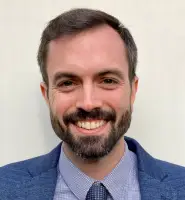
Agriculture Expert at the Climate & Clear Air Coalition
Gregory Kohler is an agriculture and climate policy expert specializing in methane mitigation, climate-smart agriculture, and rural development. He leads the Agriculture Hub at the Climate & Clean Air Coalition of the UN Environment Programme, where he guides a global portfolio of investments to reduce super pollutant emissions from livestock and rice systems. He works closely with governments, research institutions, and development partners to coordinate investments under the Global Methane Pledge and advance policy-relevant, scalable solutions. Prior to joining CCAC, he served as a Climate Change Advisor at USAID, where he helped design programs to reduce agricultural emissions, protect forests, and improve rural livelihoods across Latin America, Africa, and Southeast Asia. Trained in both business and anthropology, he holds a BBA from the University of Michigan and a Ph.D. in Anthropology from the University of California, Irvine, and brings an interdisciplinary perspective grounded in extensive field research with farming communities, agri-food institutions, and policymakers.
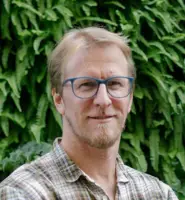
Program Director for Agriculture at Global Methane Hub (GMH)
Hayden Montgomery is the Program Director for Agriculture at Global Methane Hub (GMH). Prior to joining GMH, Hayden was the Special Representative of the Global Research Alliance on Agricultural Greenhouse Gases, representing its 65 member countries in all international forums and facilitating mitigation research between its members and partner organizations. From 2013 to 2016 he was New Zealand’s Ambassador to Argentina, Paraguay and Uruguay. Prior to these appointments Hayden gained considerable experience within the United Nations climate change process, representing New Zealand in agriculture, land use and forestry negotiations between 2006 and 2012. During this time (2010-2012) he was also based in the New Zealand Embassy in Paris where he represented New Zealand in other relevant processes and organizations including the OECD, UNEP and FAO, and spear-headed New Zealand’s international research cooperation on agricultural greenhouse gases. In addition to his international experience Hayden was involved in the development of New Zealand’s domestic agricultural climate change policy.
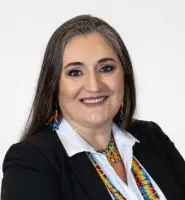
Senior Sector Specialist in the Agriculture and Rural Development Division of the Inter-American Development Bank (IDB)
Luisa Fernanda Lema Velez is a Senior Sector Specialist in the Agriculture and Rural Development Division of the Inter-American Development Bank (IDB). She has 20 years of experience in environmental policy, sustainable development, integrated conservation and development projects, sustainable tourism, and other related areas. Prior to joining the IDB, she advised and coordinated projects for various international organizations. Her professional background includes the United Nations Foundation, UNEP, Colombian NGOs and academia. She served as Secretary of the Environment for the Department of Antioquia, Colombia, her home region. She holds a degree in Forestry Engineering and Biology, a specialization in Environmental Law, and a Master’s degree in Environmental Management from Yale University.
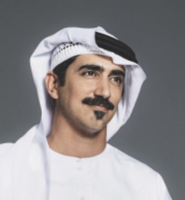
CEO & Founder of Soma Matter
Sheikh Dr. Majid Sultan Al Qassimi qualified as a Doctor of Veterinary Medicine at Saint Istvan University in Budapest, Hungary. He started his work as a veterinarian in the zoo and conservation field and moved into an administration role in 2013 when he became a director at the Environment Agency of Abu Dhabi, overseeing terrestrial biodiversity and conservation activities. From 2015 to 2021 he was the Chief Veterinary Officer of the UAE and an advisor to two ministers at the Ministry of Climate Change and Environment for all things food and agriculture.
Through his work as a policy maker, he focuses on food security, sustainability and biodiversity issues, supporting the UAE and Middle East more broadly in their approach to achieving a food production revolution in the region through technology, sustainable agriculture and traditional practices. He helped develop the Food Diversification Strategy for the UAE in collaboration with the Food and Agriculture Organization.
He is a founding partner at SOMA MATER where he develops food security and sustainability strategies and solutions for the private sector and governments. He also sits on the boards of multiple accreditation authorities, the UAE Food Safety Committee, and several food, animal, and agriculture boards.
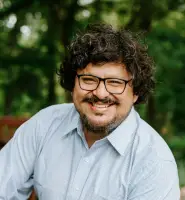
Professor in the Cornell CALS Department of Global Development, Director of Food Systems & Global Change
Mario Herrero is a professor in the Cornell CALS Department of Global Development, the director of Food Systems & Global Change, a Cornell Atkinson Scholar, and the Nancy and Peter Meinig Family Investigator in the Life Sciences. Currently, he is a Co-Chair of the Food Systems Countdown Initiative, Coordinating Lead Author of the IPBES Nexus Assessment, a Commissioner and Executive Committee member of the EAT-Lancet 2.0 study, serves on the Expert Panel on Livestock Methane, is a member of the steering group for the global True Cost of Food Coalition, and he serves on the executive committee of the Global Burden of Animal Diseases program. He works in the areas of food systems and the environment, climate mitigation and adaptation, livestock systems, true cost of food, sustainability metrics, and healthy and sustainable diets. In 2024, Herrero was elected to the National Academy of Sciences and is in the top 10 of Reuters list of most influential climate change scientists. Before joining Cornell, Herrero was Chief Scientist of Sustainability at Australia’s Commonwealth Scientific and Industrial Research Organization (CSIRO) and spent 13 years at the International Livestock Research Institute. He has held senior positions across major global initiatives, including the UN Food Systems Summit (Action Track 2), the IPCC Special Report on Climate Change, Food Security, and Land, and the IPCC 5th and 6th Assessment Reports. He has also served as a commissioner for the EAT-Lancet Commission on Sustainable Diets and The Lancet Commission on Obesity, and contributed to the World and Human Development Reports. He holds a PhD in Ecology and Natural Resource Management and MSc in Tropical Animal Production and Health from The University of Edinburgh and a BSc in Tropical Animal Production from Central American School of Animal Husbandry.

Natural Resources and Agriculture Economist at the Asian Development Bank (ADB)
Matthias Leitner is a Natural Resources and Agriculture Economist at the Asian Development Bank (ADB). Matthias focuses on project design and preparation for agri-business, value-chain and water resource projects. His particular interest lies in livestock, climate-smart agriculture, precision farming and ways to engage youth more meaningfully in the sector. Prior to joining ADB, Matthias worked for the UN Food and Agriculture Organization on Nutrition and the World Food Programme on private sector resource mobilization. Matthias has a background in finance and holds a Master of Science in International Business Administration from the European University Viadrina.
Deputy Director in the Agricultural Development program at the Gates Foundation
Dr. Nick Juleff is a Deputy Director in the Agricultural Development program at the Gates Foundation. He is focused on supporting farmers and governments in sub-Saharan Africa and South Asia for sustainable, inclusive agricultural transformation. Before his current tenure, Dr. Juleff was a Wellcome Trust Fellow, and has held various roles in academia, regulatory bodies, and the pharmaceutical industry. Dr. Juleff qualified as a veterinary surgeon in South Africa, holds a PhD from the University of Edinburgh, and is a Member of the Royal College of Veterinary Surgeons as well as a Fellow of the Royal Society of Biology.
Professor in the Department of Animal Sciences at Wageningen University
Pierre Gerber is a Professor in the Department of Animal Sciences at Wageningen University. Pierre also holds a staff position at the World Bank Group, where he participates in a program aiming at mainstreaming sustainability considerations within the global portfolio of livestock operations. He also provides leadership for the livestock portfolio in Central Asia. This involves project design and supervision, analytical work, as well as the piloting of novel financing options in the sector. Pierre has 25 years of experience in the assessment and financing of sustainable food systems transformation, Agriculture policy dialogue and multi-stakeholder engagements. His research and educational activities within the Animal Production System Group at Wageningen University address global environmental sustainability issues in livestock systems. He holds a PhD in Agricultural Economics from ETH – Zürich and two MSc degrees, in Agronomy from Ecole Nationale Superieure d’Agronomie de Rennes and in Land planning & Environmental law from Université de Nantes.
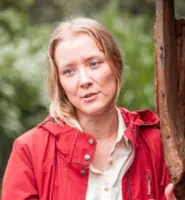
Veterinary Epidemiologist at the International Livestock Research Institute (ILRI)
Shauna Richards is a veterinary epidemiologist at the International Livestock Research Institute (ILRI). She has interests in the complex interplay of animal, human, and environmental health, and the relationship and impact this interplay has on zoonotic diseases and animal welfare. Shauna also has an interest in educational interventions related to the aforementioned topics. Previously she has worked on improving smallholder dairy productivity and welfare in Kenya, on rabies and One Health in Canada, and antimicrobial resistance in African animal trypanosomiasis at the wildlife livestock interface in Tanzania. Her current work focuses on improving adoption and awareness of One Health across Eastern and Southern Africa within the themes of research and innovation, governance, education, and implementation; and evaluating vaccination of livestock during humanitarian crises to determine its impact on livelihoods of livestock keepers. She holds a PhD in Veterinary Epidemiology, as well as a Doctorate of Veterinary Medicine degree, both from the University of Prince Edward Island.
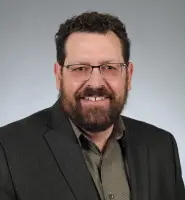
Professor in the Paul G. Allen School for Global Health and the School of Economic Sciences at Washington State University
Thomas Marsh is a Professor in the Paul G. Allen School for Global Health and the School of Economic Sciences at Washington State University. He is an economist with experience in observational and behavioral analyses, including topics on trade, willingness to pay for goods/services, and designing choice experiments in small and big data situations. He is a fellow of the AAAS, WAEA, and AAEA, as well as a member of the Washington State Academy of Sciences. Marsh is a founding member of the Global Burden of Animal Disease program, past president of the Western Agricultural Economics Association (WAEA), founding member and past chair of the Health Economics section of the Agricultural and Applied Economics Association (AAEA). His interests are quantitative economic assessments of disease events, interventions, and decisions across the world at the household or at more aggregate regional or country levels. Marsh has published over 110 peer reviewed articles, and has been the principal or co-investigator of more than 50 funded projects. He holds a PhD in Agricultural Economics and an MS in Statistics from Washington State University, an MS in Economics and Mathematics from Montana State University, and a BA in Mathematics from Carroll College. |
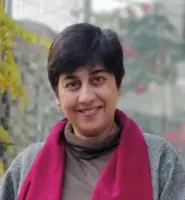
Chief Executive of the Aga Khan Foundation in India
Tinni Sawhney is currently the Chief Executive of the Aga Khan Foundation in India. She has over 35 years of experience on sustainable livelihood development in rural India and has worked extensively on issues of regenerative, climate resilient agriculture and livestock development for smallholder farmers. She has also worked on strengthening gender perspectives in development and building robust community institutions to lead development processes. Prior to her current role, she was the Head of Programs at AKF (India) leading and providing strategic direction to a diverse portfolio of programs across the sectors of agriculture, climate resilience, women’s economic empowerment, early childhood development, education, health, nutrition, water and sanitation. She has previously worked with FAO’s South Asia Pro Poor Livestock Policy Program, the Danish International Development Assistance (DANIDA) and the World Wide Fund for Nature. Much of Tinni’s education and learning has been from travels across the countryside – this has instilled in her a passion to work with rural communities, understanding the close bond they have with their land and livestock. Strengthening agriculture-livestock linkages for climate resilience, and center-staging the key role women play in the management and care of livestock, particularly small livestock, are key areas of interest.
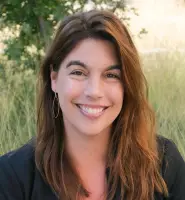
Associate Dean for Global Programs at the School of Veterinary Medicine, University of California, Davis, and a Professor of Infectious Disease Epidemiology
Woutrina Smith is the Associate Dean for Global Programs at the School of Veterinary Medicine, University of California, Davis, and a Professor of Infectious Disease Epidemiology. She leads the multicampus UCGHI Center for Planetary Health and has been part of the UCD School of Veterinary Medicine’s One Health Institute since its inception. Smith has One Health research projects in Africa and Asia, as well as in California, where multidisciplinary teams work together to solve complex population and planetary health problems in innovative ways. Smith has received funding from diverse sources including the National Institutes of Health, the US Agency for International Development, the US Department of Defense, and the Gates Foundation to support her research and training endeavors. She holds a PhD, an MPVM and DVM from the University of California, Davis, and a BA from Pomona College.